OTOKAI is an innovative dementia prevention program that uses music to support cognitive health.
Using a dedicated app, participants listen to and compare AI-generated music inspired by a given theme,
then create their own unique musical work. Classes are held once a week.
Anyone can enjoy a simple and accessible music composition experience. Through this creative process, the brain is naturally stimulated,
helping to maintain cognitive function.
The program also encourages social interaction among participants, fostering not only dementia prevention,
but also new hobbies and meaningful human connections.
Participants join small-group classes and use a dedicated app to create music with generative AI based on a given theme. Participants join small-group classes and use a dedicated app to create music with generative AI based on a given theme.
The OTOKAI program is designed for adults aged 65 and older. Classes are held once a week for 60 minutes over a six-month period, totaling 24 sessions. The schedule is designed to be manageable and sustainable. In addition to in-person classes, online participation is available, making the program accessible to people living in remote areas.
A theme is presented through the app. Themes may include photographs, illustrations, videos, haiku, poems, quotations, or other forms of visual and written expression.
Participants enter words inspired by the theme into the app and select the AI-generated piece that best matches their personal image or interpretation.
Participants present their work to the group, discuss why they chose their music, and receive feedback from the instructor.
Cognitive assessments are conducted before the program begins and again after six months to evaluate whether cognitive abilities have been maintained or improved.
Because ongoing participation is required, cognitive assessments are not included in one-time events.
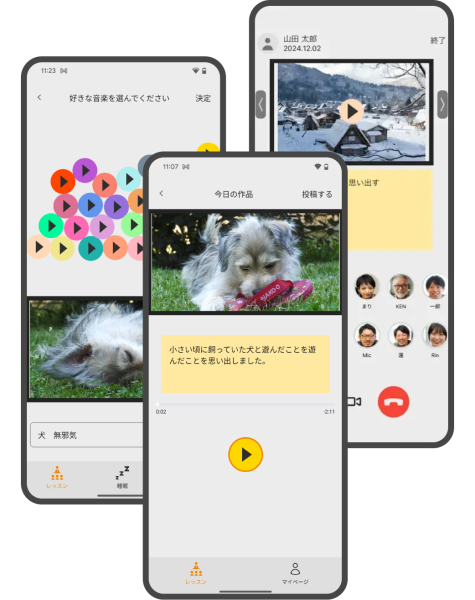
A theme is presented through the app. Themes may include photographs, illustrations, videos, haiku, poems, quotations, or other forms of visual and written expression.
Participants enter words inspired by the theme into the app and select the AI-generated piece that best matches their personal image or interpretation.
Participants present their work to the group, discuss why they chose their music, and receive feedback from the instructor.
Cognitive assessments are conducted before the program begins and again after six months to evaluate whether cognitive abilities have been maintained or improved.
Because ongoing participation is required, cognitive assessments are not included in one-time events.
The music-creation experience in OTOKAI promotes memory reconsolidation while helping participants build a series of small but meaningful achievements.
Participants transform the impressions they receive from visual stimuli—such as photographs and artwork—into words, then compare their mental image with AI-generated music. This process naturally stimulates brain activity. By participating in weekly sessions, individuals can maintain concentration, cognitive flexibility, and social engagement, all of which are believed to contribute to dementia prevention.
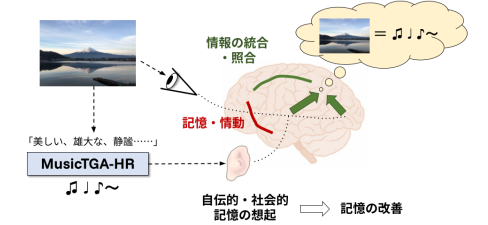 Adapted from Satoh, Brain & Behavior (2024).
Through the positive experience of creating music, participants reinforce meaningful memories and accumulate a sense of achievement over time.
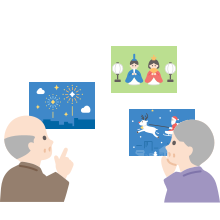
Converting visual stimulation into language

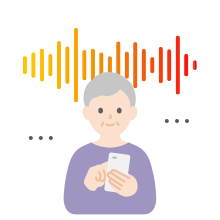
Creativity and discussion

Memory reconsolidation
Converting visual stimulation into language

Creativity and discussion
Memory reconsolidation
OTOKAI is an innovative program designed to maintain cognitive function and promote long-term brain health through AI-powered music creation. Its creator, Jun Inoue, is an accomplished music producer behind numerous hit songs and is now exploring new possibilities at the intersection of music and technology. We spoke with Inoue about the inspiration behind the program, its outcomes, and the potential of music to improve lives.
OTOKAI Program Developer
Jun Inoue
The origin of OTOKAI comes from my personal experience of watching my grandmother develop dementia and gradually lose precious memories and recognition of her loved ones.
In Japan, nearly 30% of the population is aged 65 or older, and approximately one in eight people is expected to develop dementia. Historically, effective treatments for dementia have been limited, and aerobic exercise such as walking has been one of the few scientifically supported preventive measures.
Research has identified aging as the greatest risk factor for dementia, followed by hearing loss. This finding led me to a hypothesis: could training the auditory system through music help maintain cognitive function?
To develop OTOKAI, I first sought an expert with deep knowledge of both music and medicine. That search led me to Dr. Masayuki Satoh, MD, PhD, formerly of the Department of Dementia and Neuropsychology at the Advanced Institute of Industrial Technology in Tokyo. Dr. Satoh has a unique background, having studied music before becoming a physician. He is a leading authority on music therapy and dementia research and is committed to evidence-based approaches. By combining Dr. Satoh’s medical and musical expertise with our AI music-generation technology, we began developing a program that would allow anyone to experience music composition.
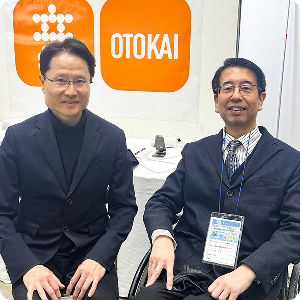
During development, we conducted a pilot study over the course of approximately one year. The results demonstrated measurable improvements in frontal lobe function among older adults and were ultimately published in a scientific journal. However, the study revealed benefits beyond the research findings themselves.
Some participants initially struggled but gradually became deeply engaged in music creation, eventually spending much of their week developing their works. Even after the program ended, many participants continued interacting on their own, creating lasting social connections. This demonstrated that OTOKAI could also help address social isolation, another important factor in dementia prevention. It reaffirmed our belief that music has the power to bring people together.


This initiative also aims to create new career opportunities for graduates of music schools and conservatories by providing sustainable career paths that make use of their specialized expertise.
Looking ahead, we hope to collaborate with healthcare providers and long-term care facilities and explore the possibility of incorporating the program into preventive healthcare and social support systems. Dementia affects countless families, and we hope this program can make a meaningful contribution to society.
OTOKAI is designed to support cognitive health and help prevent dementia through the power of music. However, this is only the beginning. We hope to introduce even those who are not particularly interested in music to its benefits through the practical value of dementia prevention and establish OTOKAI as a lifelong hobby that people can enjoy for years to come.
Maintaining intellectual activity is essential for preventing cognitive decline. When people can choose activities they genuinely enjoy, they are much more likely to continue participating over time. While poetry groups, painting classes, and pottery workshops have long existed, composition classes have been largely unavailable. This is because music composition traditionally requires extensive specialized training.
That barrier was removed by the AI-powered automatic composition software developed by Mr. Inoue. Inspired by traditional Japanese haiku gatherings, we named this group-based composition activity “OTOKAI.” Research has demonstrated that OTOKAI can improve frontal lobe function and memory as a non-pharmacological intervention, and the findings have been published in an international medical journal (Satoh, Brain and Behavior, 2024).
Because OTOKAI can be conducted online, people can participate even when infectious diseases such as COVID-19 or influenza are a concern, or when they live in areas with limited transportation access. This approach has the potential to benefit older adults living in rural communities and remote islands, offering a promising new avenue for dementia prevention in an aging society.
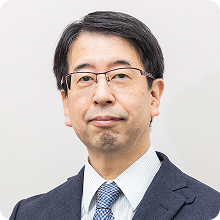
Dr. Masayuki Satoh, MD, PhD
Former Department of Dementia and Neuropsychology, Advanced Institute of Industrial Technology, Tokyo